Inside this Article
If you’ve ever dealt with stiff joints, nagging discomfort, or just felt less flexible than you used to, you’re not alone. It’s something that tends to creep in slowly, whether from aging, working out, sitting too much, or just everyday wear and tear.
A big part of that problem is inflammation.
Not the kind you feel right away, like swelling after an injury, but low-level ongoing inflammation that builds up over time and affects how your body feels and moves.
That’s where turmeric comes in.
You’ve probably heard about it already. It’s that bright yellow spice used in cooking, but beyond the kitchen, it’s gained serious attention for its potential health benefits. The real reason is a compound called curcumin.
Short answer: They can help, but only if you choose the right kind and use them consistently.
What Is Turmeric (Curcumin)?
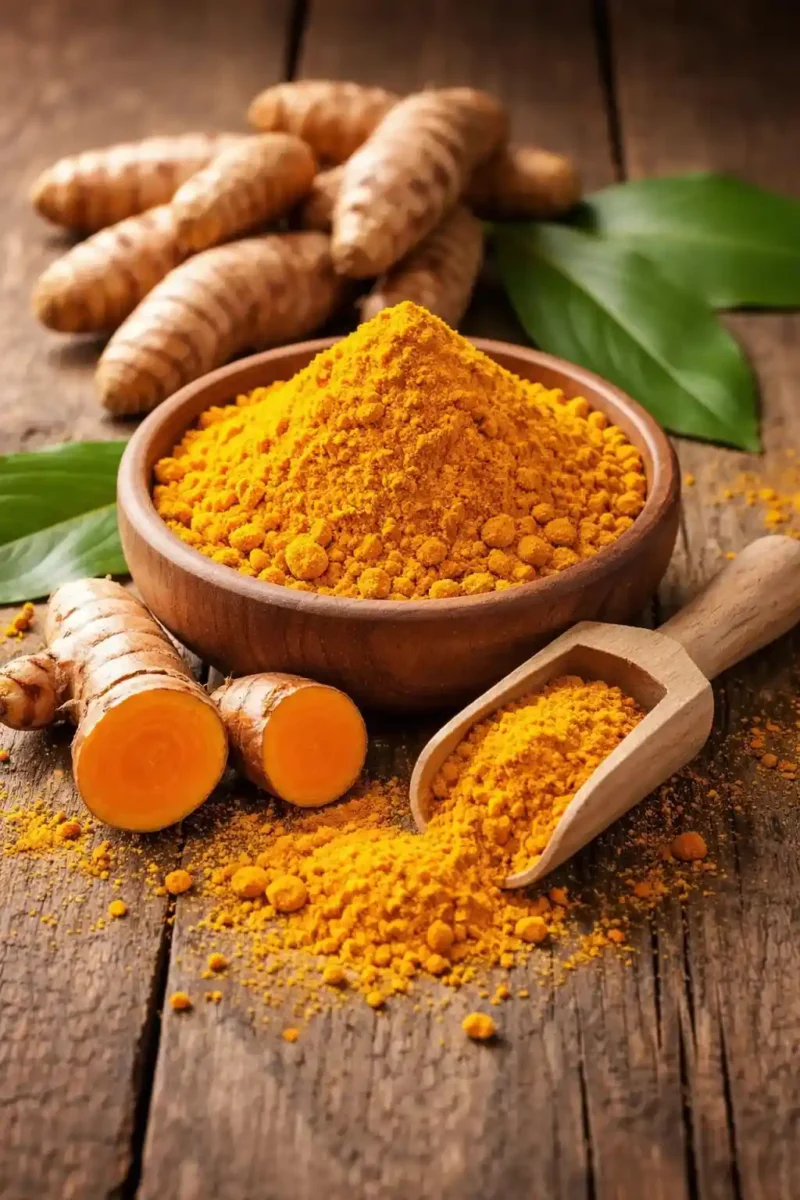
Turmeric is a bright yellow-orange root that comes from a plant called Curcuma longa, which is part of the ginger family. It’s been used for centuries in cooking, especially in South Asian cuisine and in traditional medicine systems like Ayurveda.
Most people recognize turmeric as a spice, but it’s more than just something you add to food.
The real reason turmeric gets so much attention is because of a natural compound inside it called curcumin. This is the part that’s responsible for most of turmeric’s health-related effects.
Here’s an easy way to think about it:
- Turmeric = the whole root (like the plant itself)
- Curcumin = the active ingredient inside it
One important thing to know is that turmeric only contains a small amount of curcumin naturally (usually around 2–5%). That’s why many supplements use concentrated extracts to give your body a more effective dose.
In simple terms, turmeric is a natural plant ingredient that’s widely used for its potential to support inflammation balance, joint comfort, and overall wellness.
How Turmeric Works in the Body
Turmeric doesn’t work like a painkiller where you feel something right away. It works more quietly, in the background.
1. It Helps Calm Inflammation
Curcumin interacts with the systems in your body that control inflammation. Instead of blocking pain directly, it helps reduce the signals that cause inflammation in the first place.
Over time, that can mean:
- Less stiffness
- Better movement
- More comfort in daily life
2. It Fights Oxidative Stress
Your body is constantly dealing with stress at the cellular level from diet, environment, and even normal metabolism.
Curcumin helps your body deal with that by:
- Neutralizing harmful molecules
- Supporting your natural defenses
Think of it as helping your body stay balanced.
3. It Supports Joint Function
When inflammation and stress are lower, your joints simply function better.
You might notice:
- Easier movement
- Less tightness
- Better flexibility
Not overnight, but gradually.
Benefits of Turmeric
Joint Comfort
Many people use it for:
- Knee stiffness
- General joint discomfort
- Everyday aches from activity or age
Some research shows that turmeric can help with pain, like common drugs, but with fewer side effects.
Reducing Inflammation
Curcumin helps bring down markers of inflammation in the body. That’s important not just for joints, but overall health.
Recovery & Activity
If you’re active, you might notice:
- Less soreness after workouts
- Faster recovery
General Health Support
There’s also growing research around:
- Heart health
- Blood sugar balance
- Long-term wellness
What the Research Really Says
Here’s the honest version:
- It works, but not instantly
- It works better in some people than others
- It depends heavily on the quality of the supplement
Most studies show moderate, steady improvements, especially with consistent use.
Why Absorption Actually Matters
Many people get this wrong: even a high dose of curcumin won’t help if your body doesn’t absorb it.
On its own, curcumin:
- Isn’t absorbed well
- Gets broken down quickly
That’s why black pepper extract is added
It contains something called piperine, which helps your body absorb curcumin much more effectively.
Without it, you’re probably not getting the full benefit.
Ingredient & Formula Breakdown
Turmeric Extract (Curcumin 95%)
This is what you want to see.
It means the supplement is concentrated and matches what’s used in research.
Black Pepper Extract (Piperine)
This is what makes the curcumin actually usable in your body.
If it’s missing, that’s a red flag.
Does Turmeric (Curcumin) Cause Cancer ?
No. Turmeric and its active compound Curcumin do NOT cause Cancer.
What Science Shows
- There is no credible evidence that turmeric or curcumin increases cancer risk in humans.
- In fact, many studies suggest neutral or potentially protective effects (mainly from lab and animal research).
Important Notice
- While curcumin is being studied for anti-cancer properties, it is not proven to prevent or treat cancer in people.
- High-quality human evidence is still limited.
Safety perspective
For most healthy people:
- Using turmeric as food or standard-dose supplements is generally considered safe
- It is not linked to causing cancer
When Caution is needed
- If someone already has cancer and is receiving treatment, curcumin can interact with certain therapies (e.g., chemotherapy), so it should only be used with a doctor’s guidance.
How Much to Take (and How to Take It)
Most research points to:
500–1500 mg per day
Simple tips:
- Take it with food
- Split into two doses if possible
- Be consistent
And most importantly:
Give it time.
This isn’t a one-day fix; it’s more like a long-term support tool.
Safety & Side Effects
For most people, turmeric is easy to tolerate.
Some might notice:
- Mild stomach discomfort
- Slight nausea (rare)
Be careful if you:
- Take blood thinners
- Have gallbladder issues
- Are preparing for surgery
When unsure, it’s always better to check first.
Pros and Cons
Pros
- Backed by solid research
- Supports more than just joints
- Natural and generally safe
- Good for long-term use
Cons
- Not fast-acting
- Needs proper formulation
- Results aren’t identical for everyone
Who This Is Actually For
- People with mild joint discomfort
- Anyone feeling stiffness
- Active individuals
- Those looking for a natural daily supplement
Who Should Avoid
- If you want instant pain relief
- If you have a serious medical condition
- If you expect dramatic overnight results
FAQs
How long until I notice a difference?
Usually a few weeks, sometimes up to two months.
Can I take it every day?
Yes—daily use is actually how you get results.
Is it better than painkillers?
Different purpose. This supports your body over time, not immediate relief.
What should I look for?
High curcumin content
Includes black pepper
Clear ingredient label
If you’re looking for a natural way to support your joints and overall health, it’s definitely worth considering.
About the Author
This article is written and reviewed based on research from reputable medical resources, including clinical studies, health organizations, and peer-reviewed publications. The goal is to provide clear, research-based information to help readers understand joint supplements.
Disclaimer
This article is for informational purposes only and should not be considered medical advice. Always consult a qualified healthcare professional before starting any supplement.